
What We Do
Welcome to the SOMa Lab at IIT Madras! Our lab develops and applies next-generation spatial multi-omics technologies to study human health and disease. Using ethically sourced human samples and patient-derived disease models, we investigate how cells of different types and states are organized within tissues, how they interact to maintain homeostasis, and how these interactions are disrupted in disease. Our work integrates spatial and single-cell multi-omics, high-resolution imaging, next-generation sequencing, and computational methods for multimodal data analysis.
Our Mission & Philosophy
Our research is driven by clinically urgent problems that are affecting patients today. We operate at the interface of basic, translational, and clinical research, using clinically informed questions to guide tool development. Through close collaboration with clinicians, hospitals, and industry partners, our goal is to translate spatial multi-omics insights into actionable outcomes—enabling biomarker discovery, patient stratification, and therapeutic development that ultimately improve patient care.
Explore SOMa Lab
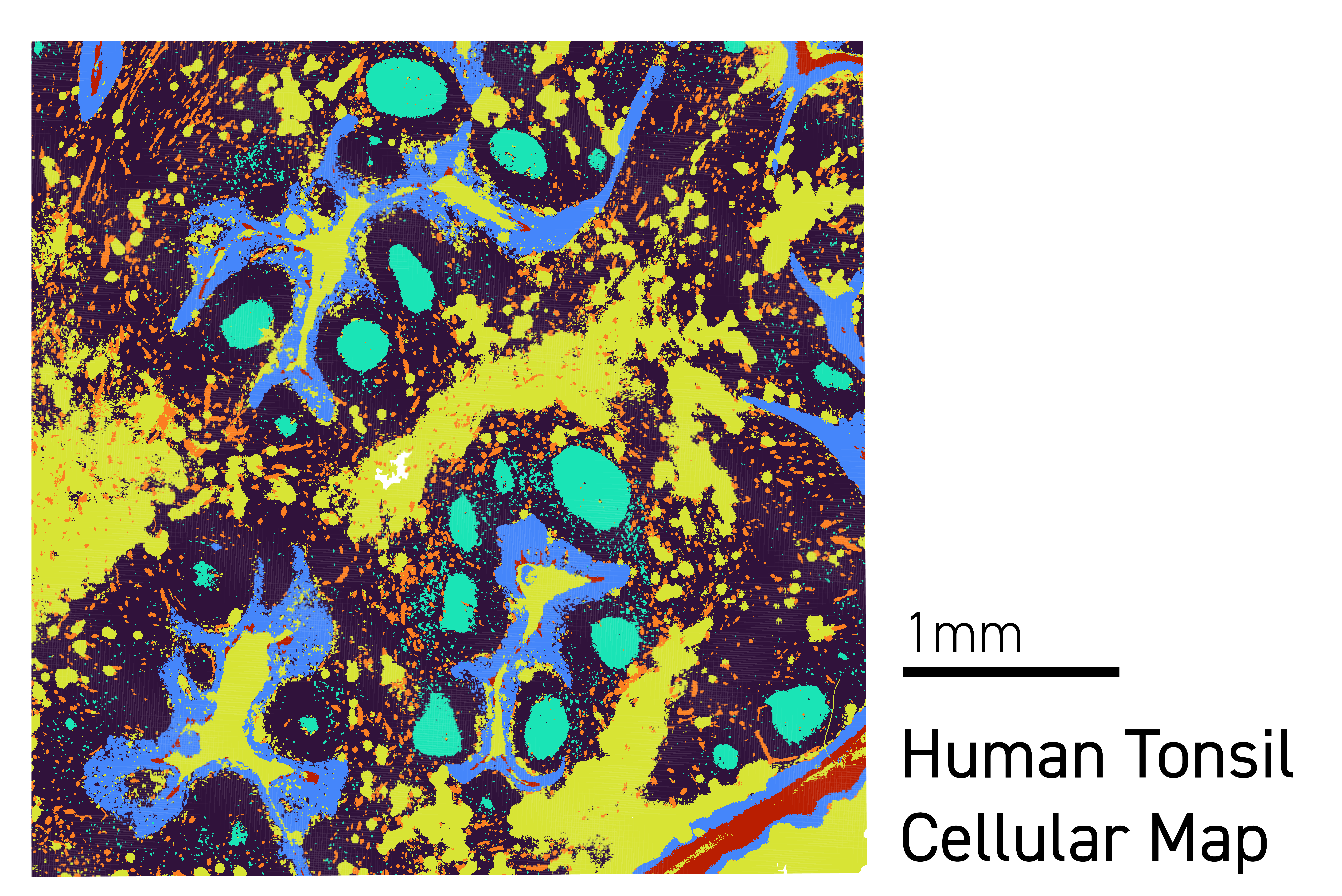
Our Research
We are using spatial-multiomics tools to investigate cancer metastasis and therapy resistance, lung remodeling in response to air pollutants, and adipose tissue dysfunction in diabetes. Learn more about the technology and how we apply it to research problems here.
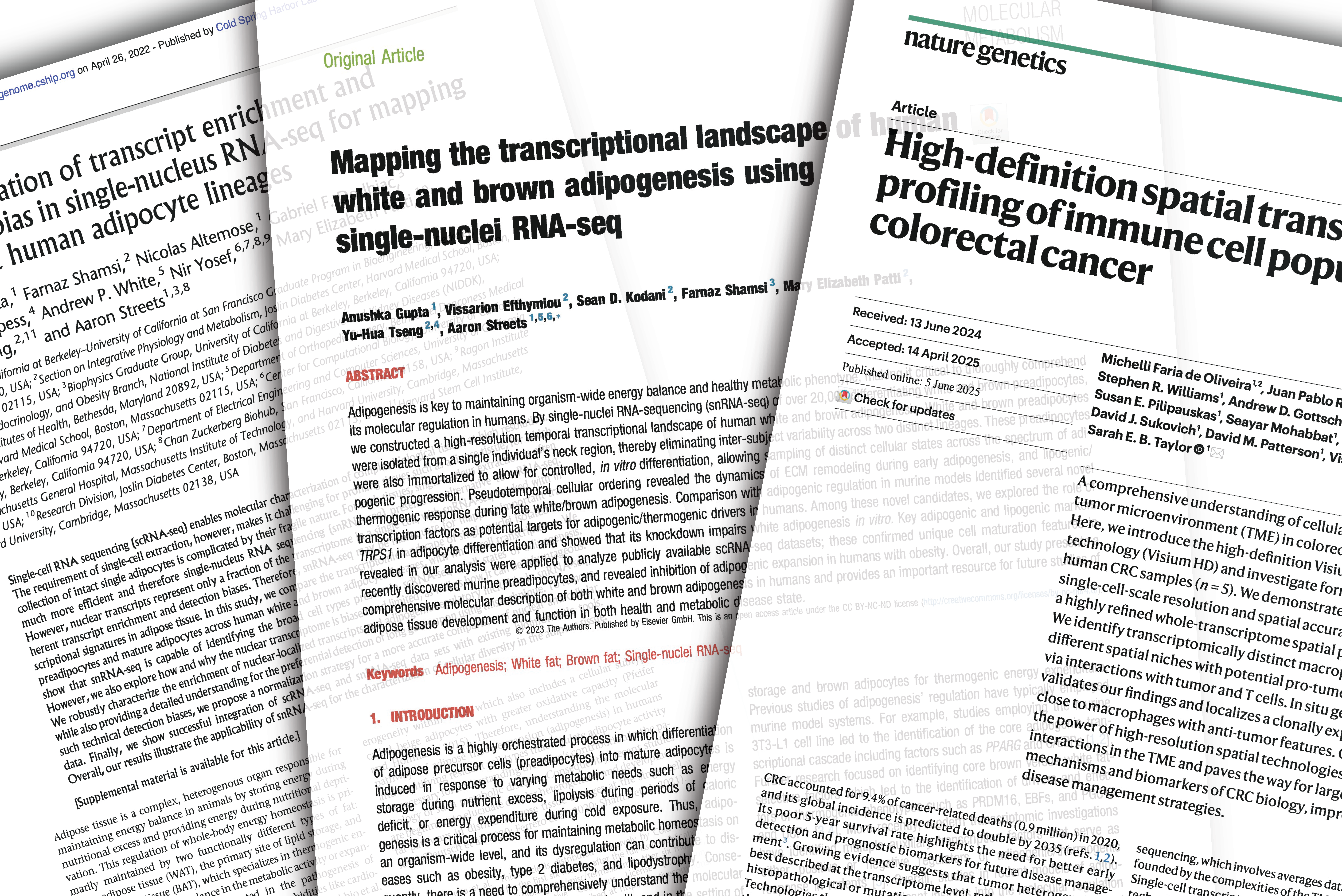
Our Publications
Our publications span technology development, computational methods, and disease-focused studies. Read more about our recent work on a new spatial transcriptomics platform, adipose tissue dysfunction in obesity, and integrative analysis of scRNA-seq and snRNA-seq datasets.
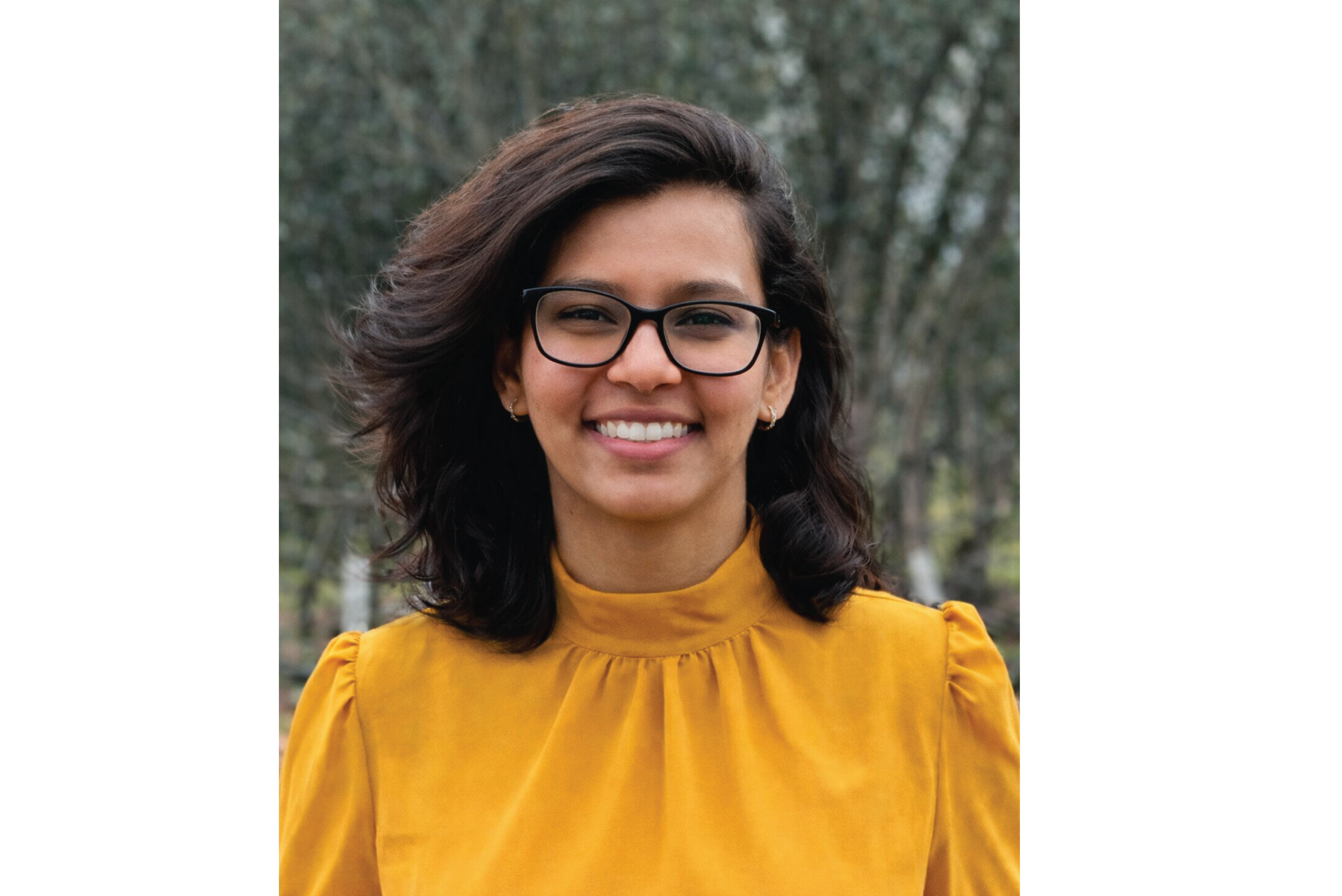
Our Team
Prof. Anushka Gupta is the Principal Investigator of the SOMa Lab. As a new lab, we are actively looking for motivated undergraduate, graduate (Masters/PhD) and post-doctoral candidates to join our team! Please contact Prof. Gupta and include a CV with your research interests.

Collaborators and Partnerships
Spatial multi-omics enables mapping cellular architecture and communication in-situ by integrating transcriptomic, proteomic, and other omic layers. If you have a question where spatial context could provide new insight, we collaborate closely, from study design and sample collection strategy, to data generation and multimodal analysis.